Skigebied Arlberg Skiregion
The Arlberg Skiregion in Austria is one of the largest and most celebrated ski areas in the Alps, offering around 450 km of pistes served by approximately 104 lifts across iconic villages including St. Anton, Lech and Zürs. Whether you are chasing powder, cruising groomers or looking for a first taste of skiing, this interconnected region delivers serious variety at serious scale. With 18 accommodations listed on Nivosola from EUR 845 per person, planning your stay here is straightforward.
Accommodations in Arlberg Skiregion
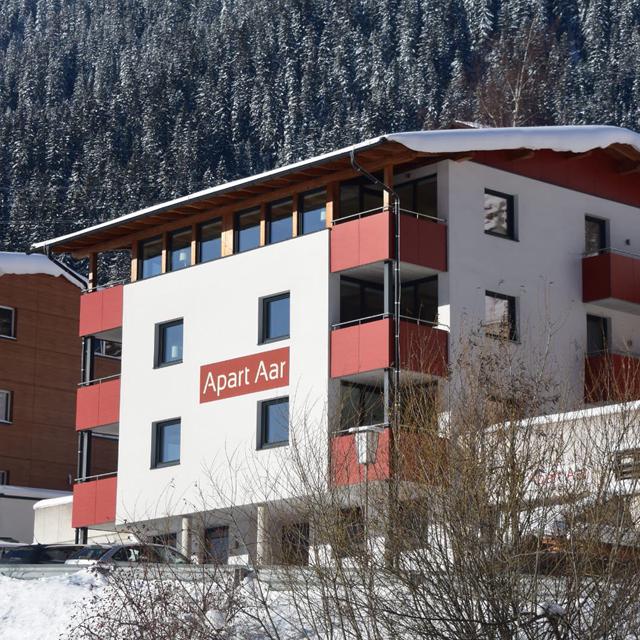 St. Anton am Arlberg6.6
Arlberg Skiregion, Oostenrijk
Appartementen Aar
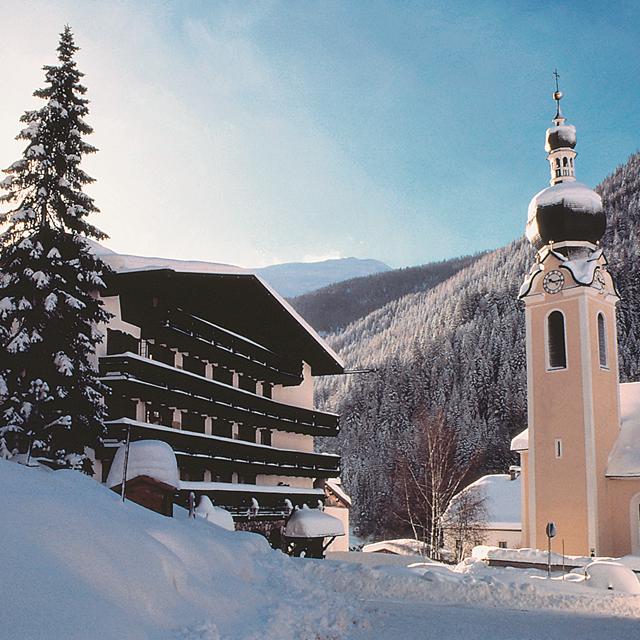 Flirsch am Arlberg8.2
Arlberg Skiregion, Oostenrijk
Hotel Basur
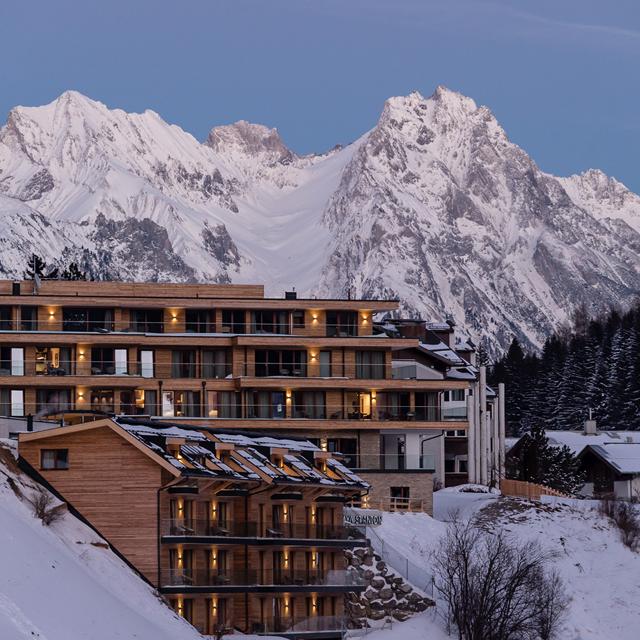 St. Anton am Arlberg8.2
Arlberg Skiregion, Oostenrijk
VAYA Resort St. Anton
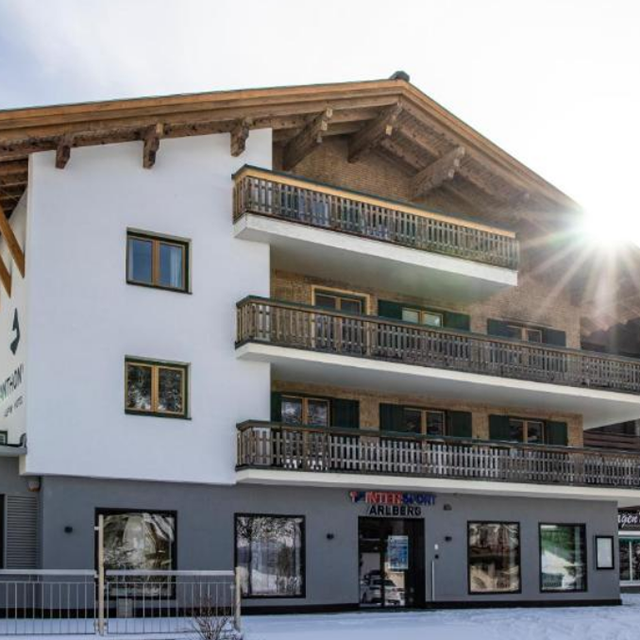 Lech9.6
Arlberg Skiregion, Oostenrijk
Hotel Anthony's Alpin
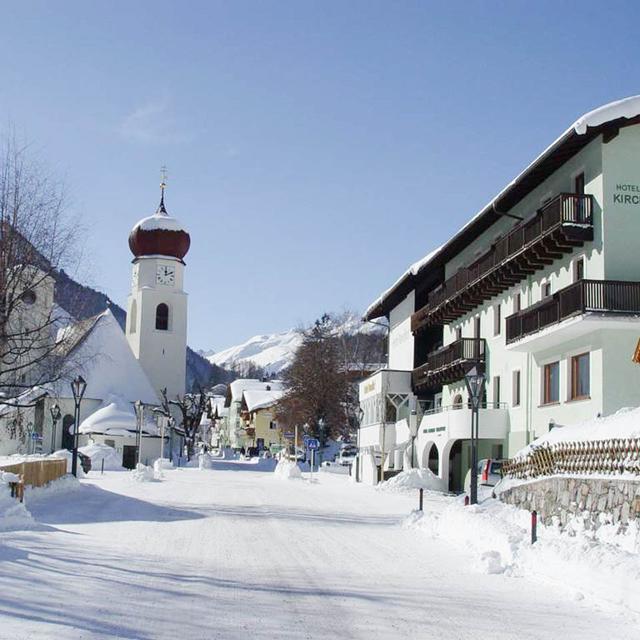 St. Anton am Arlberg9.6
Arlberg Skiregion, Oostenrijk
Hotel Kirchplatz
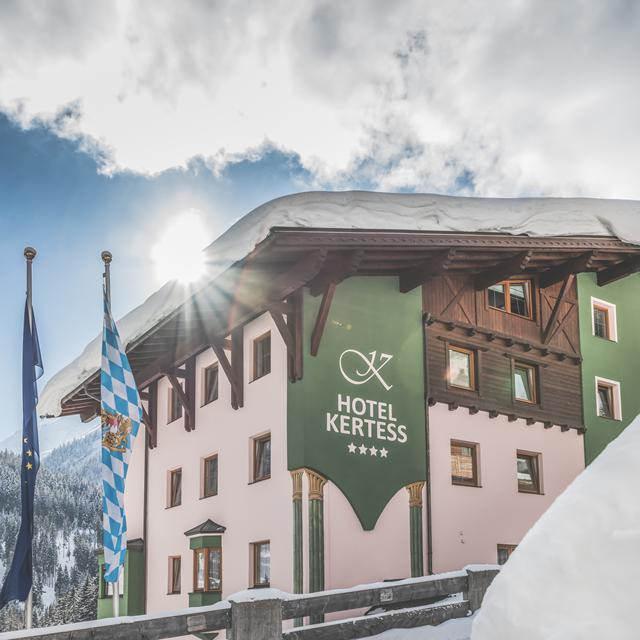 St. Anton am Arlberg8.2
Arlberg Skiregion, Oostenrijk
Hotel Kertess
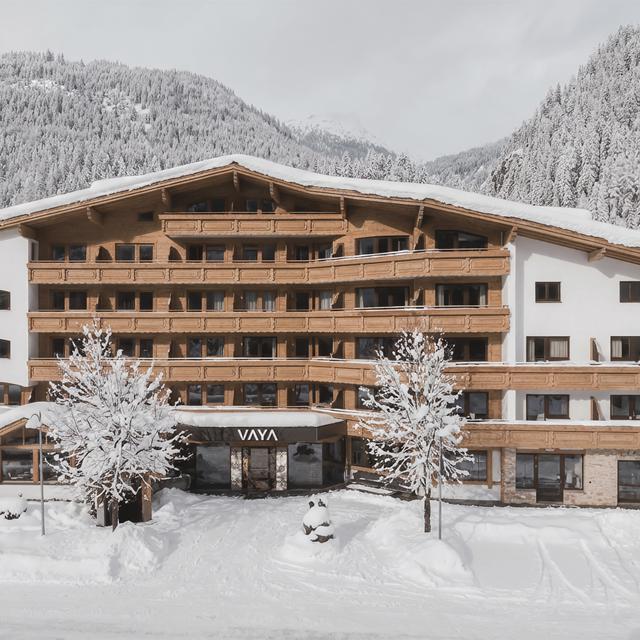 Elbigenalp
Arlberg Skiregion, Oostenrijk
VAYA Lechtal
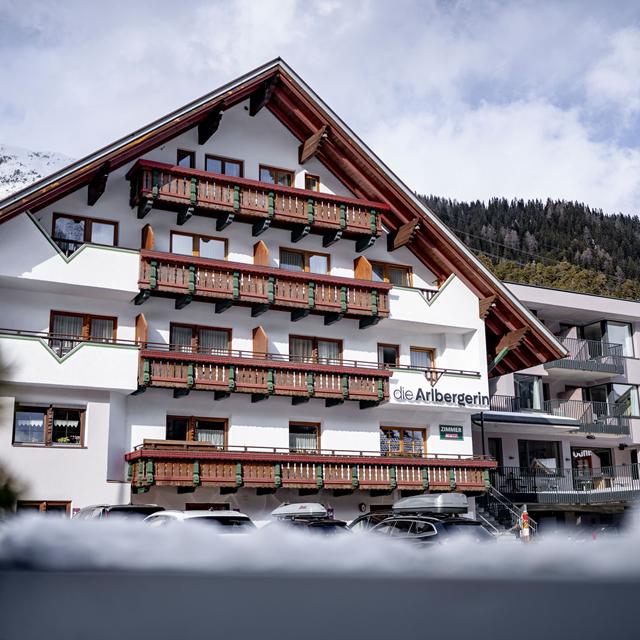 St. Anton am Arlberg9.2
Arlberg Skiregion, Oostenrijk
Hotel die Arlbergerin - adults friendly
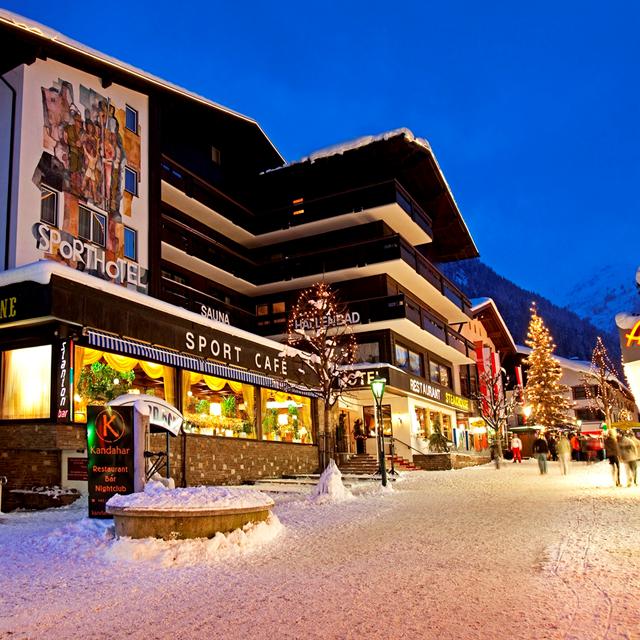 St. Anton am Arlberg9.3
Arlberg Skiregion, Oostenrijk
Sporthotel St. Anton
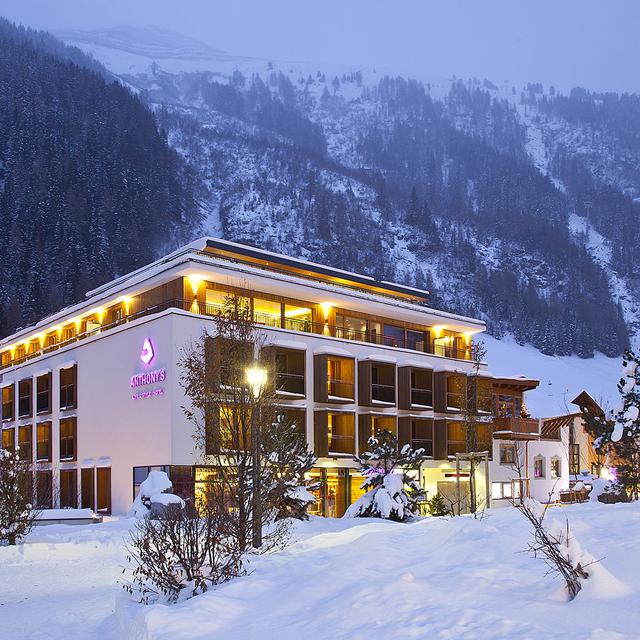 St. Anton am Arlberg9.0
Arlberg Skiregion, Oostenrijk
Anthony's Life & Style Hotel
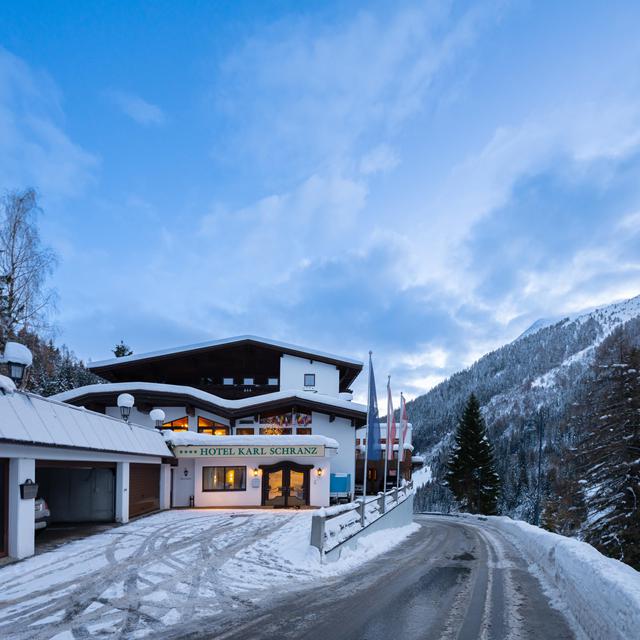 St. Anton am Arlberg
Arlberg Skiregion, Oostenrijk
Hotel Karl Schranz
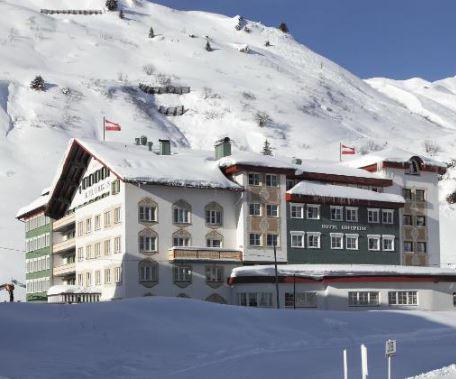 Zürs
ZürsArlberg Skiregion, Oostenrijk
Hotel Edelweis
 St. Anton am Arlberg8.8
Arlberg Skiregion, Oostenrijk
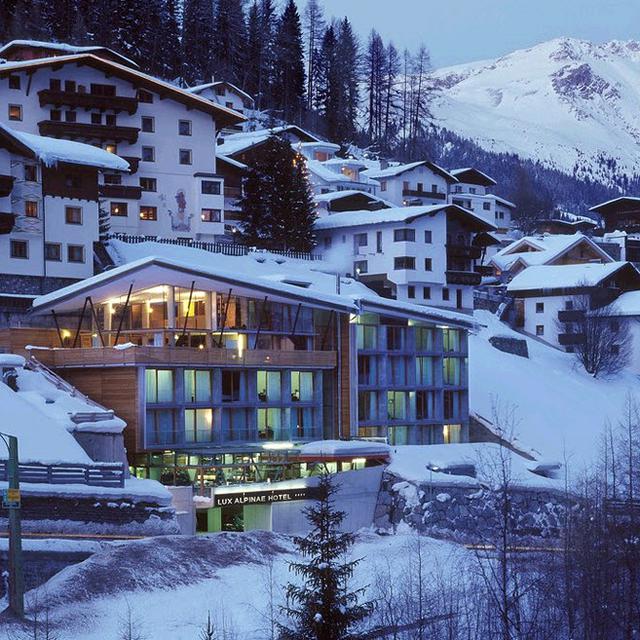
Hotel Lux Alpinae
 Lech8.8
Arlberg Skiregion, Oostenrijk
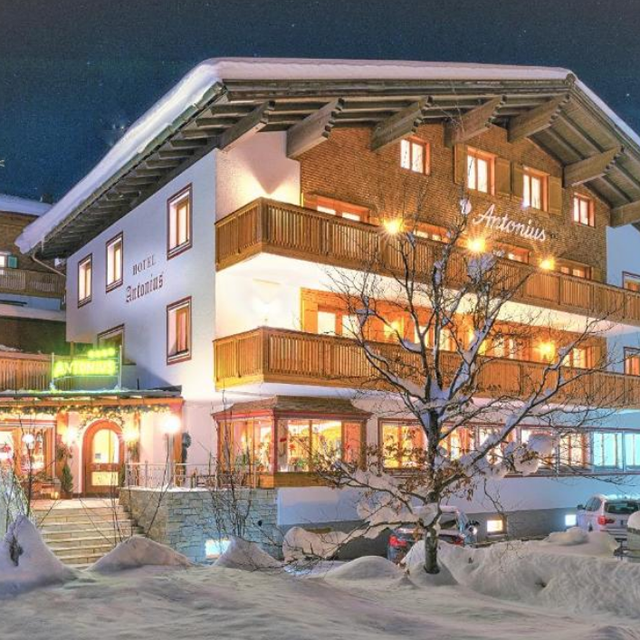
Hotel Antonius
 Zürs
ZürsArlberg Skiregion, Oostenrijk
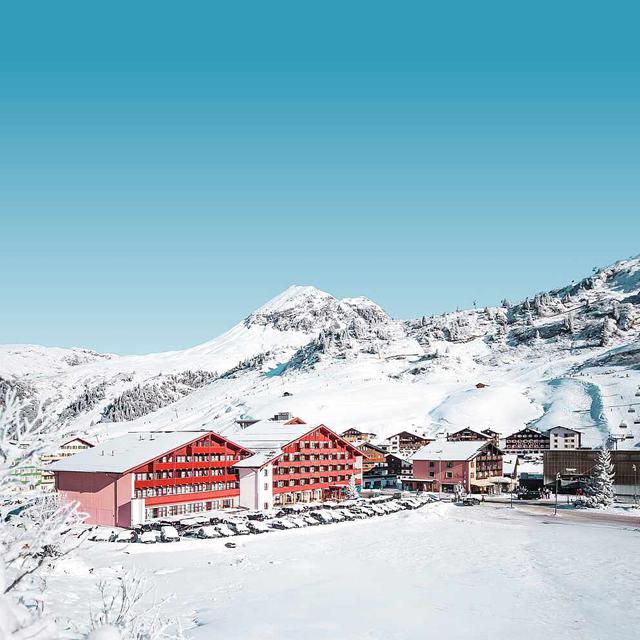
Robinson Alpenrose Zürs
 Lech8.7
Arlberg Skiregion, Oostenrijk
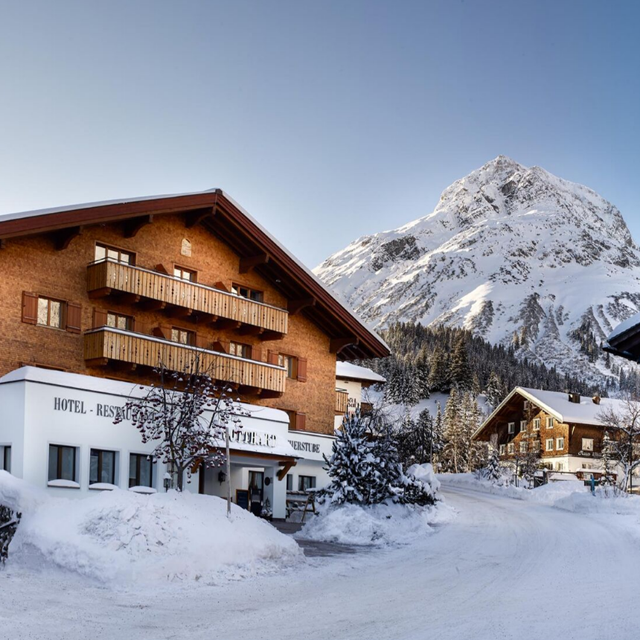
Hotel Gotthard
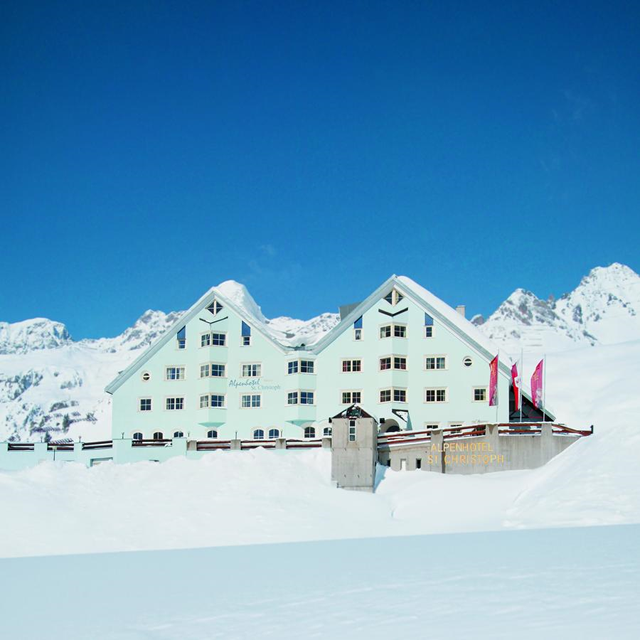 St. Anton am Arlberg9.3
Arlberg Skiregion, Oostenrijk
Alpenhotel St. Christoph
 St. Anton am Arlberg8.7
Arlberg Skiregion, Oostenrijk
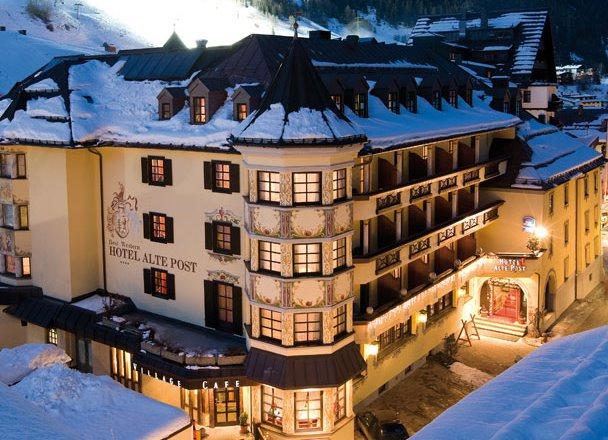
Hotel Alte Post
Snow report & 7-day forecast
Loading forecast...
Who Is the Arlberg For?
The Arlberg suits a remarkably wide range of skiers. Beginners will find gentle learning terrain and magic carpets in the resort villages, while intermediate skiers can spend days exploring the long, well-groomed blue and red runs that link the different resort bases. Advanced and expert skiers come here specifically for the off-piste reputation: the Arlberg is considered the birthplace of Alpine skiing technique and still attracts serious powder hunters thanks to its north-facing bowls and legendary routes like the Valluga descent.
Families are well catered for too. Dedicated ski schools operate across the region, the lift infrastructure is modern and efficient, and the spread of terrain means parents and children can often share the same mountain without anyone feeling out of their depth or bored.
Slopes and Lifts at a Glance
Around 450 km of marked pistes give you plenty of room to explore without repeating the same run twice for days on end. The 104 lifts include 44 chair lifts and 13 gondolas that move large numbers of skiers quickly, minimising queuing time on busy weekends. Five cable cars provide access to the highest terrain, including the Valluga at over 2,800 metres, while 18 drag lifts of various types cover smaller sectors and link terrain efficiently.
The network connects St. Anton am Arlberg, Lech, Zürs, Warth, Schröcken and Stuben into one integrated pass, meaning a single ski pass opens up the entire 450 km. Navigation is helped by clear signage, but picking up a piste map on your first day and identifying one or two base lifts for your level will save you time.
Snow Reliability
The Arlberg has a strong track record for natural snow. Looking at maximum snow depths recorded over the past five winters: 195 cm in 2020/21, 170 cm in 2021/22, 188 cm in 2022/23, 242 cm in 2023/24 and 152 cm in 2024/25. Even in the lightest recent season the snowpack reached 152 cm at its peak, which is a healthy base by any Alpine standard.
The region sits at altitude and faces prevailing moisture from the west, which historically delivers heavy snowfall, often multiple times per season. Snowmaking infrastructure backs up natural snow on key runs lower down, so early-season and late-season skiing is generally viable. Booking mid-January through to mid-March gives you the best statistical chance of combining depth with daylight hours.
Après-Ski and Atmosphere
St. Anton is internationally famous for its après-ski scene and lives up to the reputation. The Mooserwirt and Krazy Kanguruh are among the most well-known mountain bars in the Alps, filling up from mid-afternoon as skiers come off the slopes. The energy is lively and unpretentious, with a mix of nationalities creating a cosmopolitan but not exclusive atmosphere.
Lech and Zürs offer a quieter, more refined alternative on the same lift pass. Boutique hotels, candlelit restaurants and a calmer village feel attract those who want great skiing by day and a relaxed dinner by night. The contrast between the two ends of the region means you genuinely have two different holiday personalities available within the same ski area.
Getting There and Practical Tips
The Arlberg is well connected by road and rail. St. Anton sits directly on the main Innsbruck to Bregenz railway line, making it one of the easiest major Alpine resorts to reach by train from across Europe, including direct Nightjet overnight services from several cities. Innsbruck Airport is roughly 100 km away, while Friedrichshafen and Zurich airports are also within reasonable transfer distance if you are flying.
Buy your lift pass in advance online to save time on arrival. Helmets are not legally mandatory for adults but are standard practice across the resort. Ski hire is available in all villages and quality is high, so there is no need to travel with your own equipment unless you prefer it. The 18 accommodations on Nivosola start from EUR 845 per person, covering a range of styles to match different budgets and preferences.
Best Time to Visit
January and February are the peak months for snow quality and festive atmosphere, and the historical depth data supports booking in this window for the most reliable powder conditions. That said, March is increasingly popular: days are longer, the sun is stronger and prices often dip slightly after the school holiday rush, while the snowpack at altitude remains solid well into spring.
Early December can work well for experienced skiers who want quieter pistes and are comfortable with variable lower-mountain conditions. Late March and April suit those after spring skiing on the higher runs, particularly around the Valluga area where snow lingers longest. Avoid the last two weeks of February and the first week of March if crowds bother you, as school holidays across several European countries coincide then.
Villages in this ski area
Snow depth by winter
Snow reliability: Excellent (86/100), based on altitude and historical snow depth.
Maximum snow depth (cm) per winter season. Source: Open-Meteo (ERA5).
Arlberg Skiregion on the map
Lifts and pistes based on OpenStreetMap.
Webcams in Arlberg Skiregion

📷 Gemeinde Sankt Anton am Arlberg › South: Kapall Restaurant
📷 St. Anton am Arlberg: Arlberg - Gampen
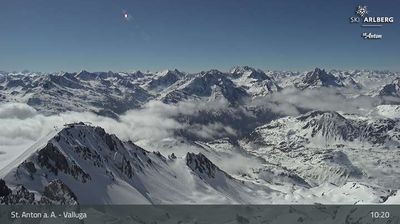
📷 Gemeinde Sankt Anton am Arlberg: St. Anton am Arlberg, Arlberg - Valluga
📷 Gemeinde Sankt Anton am Arlberg: St. Anton am Arlberg, Arlberg - Galzig Bergstation
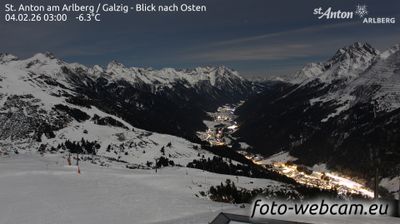
📷 Gemeinde Sankt Anton am Arlberg: St. Anton am Arlberg - Galzig - Blick nach Osten
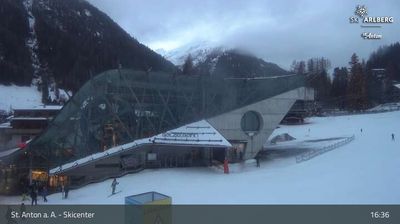
📷 St. Anton am Arlberg: Arlberg - Skicenter
📷 Gemeinde Sankt Anton am Arlberg: Sankt Jakob am Arlberg: VK_S16_023,790-F2-HMS
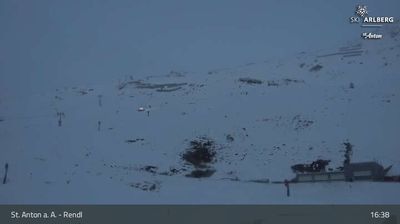
📷 St. Anton am Arlberg: Arlberg - Rendl
FAQ about Arlberg Skiregion
How many km of pistes does Arlberg Skiregion have?
Arlberg Skiregion has approximately 450 km of marked downhill pistes (source: OpenStreetMap).
How many lifts are there in Arlberg Skiregion?
Arlberg Skiregion is served by around 104 ski lifts.
What does a ski holiday to Arlberg Skiregion cost?
Accommodations in Arlberg Skiregion start from around €845 per person; Nivosola compares 18 options, refreshed daily.
Is there enough snow in Arlberg Skiregion?
Yes. Recent winters reached a maximum snow depth of around 242 cm. December to March is the most reliable period.
How many kilometres of pistes does the Arlberg Skiregion have?
The Arlberg Skiregion covers around 450 km of marked pistes, spread across six interconnected resort villages all included on one lift pass.
Is the Arlberg suitable for beginner skiers?
Yes. Each village within the Arlberg has dedicated beginner terrain, magic carpets and professional ski schools. The sheer size of the region means beginners are not crowded out by advanced skiers, and there are enough gentle blue runs to build confidence across multiple days.
How reliable is the snow in the Arlberg?
Snow reliability here is among the best in the Alps. Maximum snow depths over the past five seasons ranged from 152 cm to 242 cm, and the west-facing geography brings regular heavy snowfall throughout the season. Snowmaking on lower runs provides additional security in leaner periods.