Skigebied Davos/Klosters
Davos/Klosters in Switzerland is one of the Alps' largest ski destinations, offering around 315 km of pistes served by 57 lifts across several interconnected mountains. Whether you are a first-timer or a seasoned expert, the sheer variety of terrain and the well-developed infrastructure make it a compelling choice for a winter holiday. With 12 accommodation options available on Nivosola from EUR 639 per person, planning your trip is straightforward.
Accommodations in Davos/Klosters
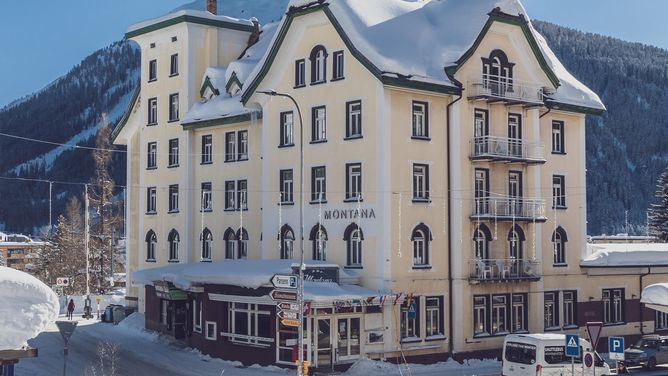 Davos7.1
Davos/Klosters, Zwitserland
Hotel Montana
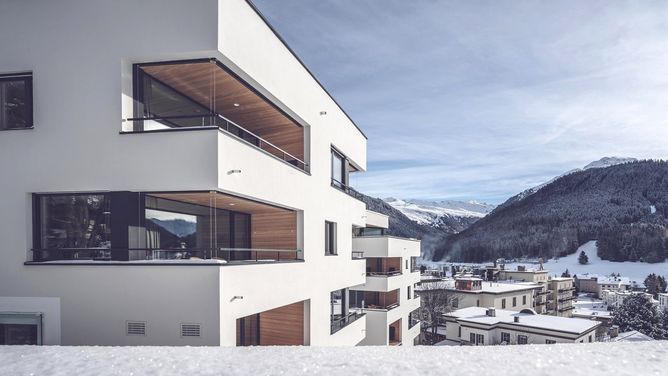 Davos9.6
Davos/Klosters, Zwitserland
Parsenn Resort
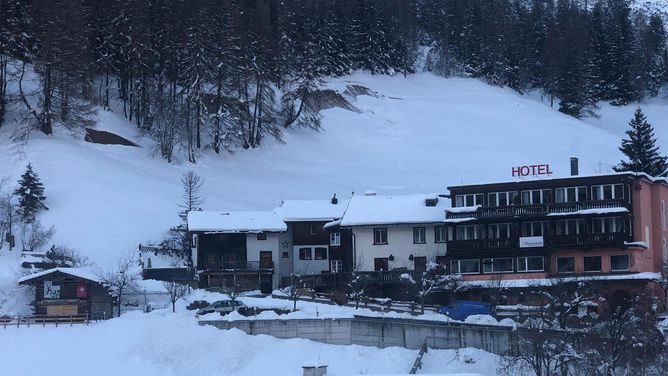 Davos8.0
Davos/Klosters, Zwitserland
Hotel Sonnenhalde
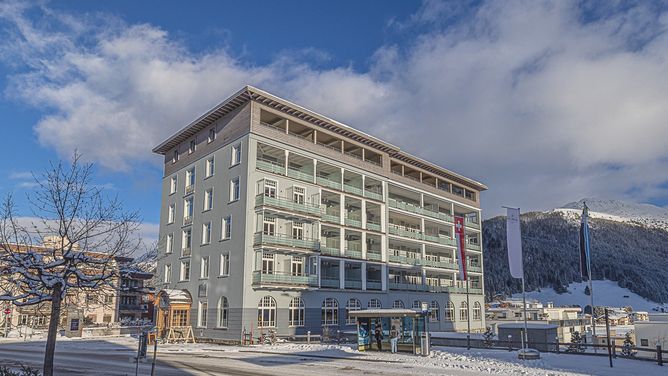 Davos9.2
Davos/Klosters, Zwitserland
ALPINE INN Davos
 Klosters9.0
Davos/Klosters, Zwitserland
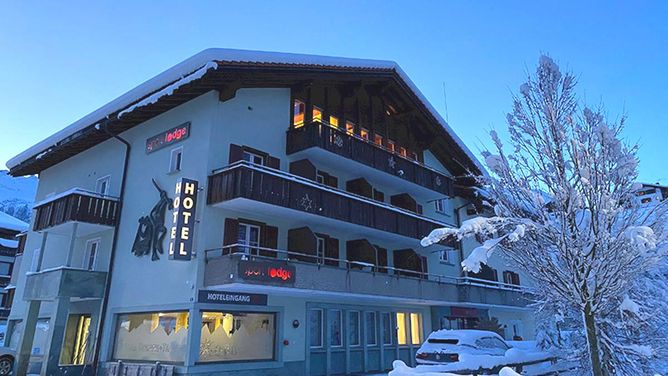
Hotel Sport Lodge
 Klosters9.1
Davos/Klosters, Zwitserland
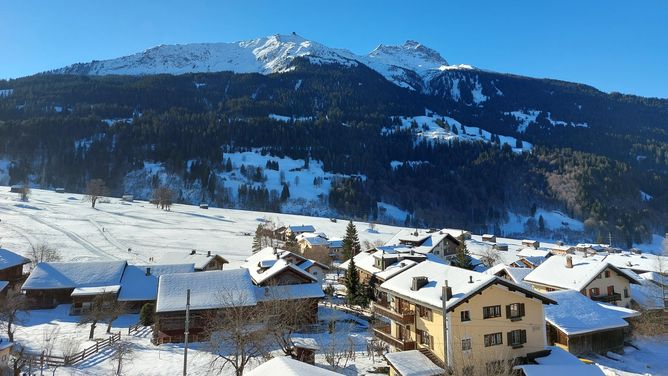
Madrisa Lodge
 Klosters9.2
Davos/Klosters, Zwitserland
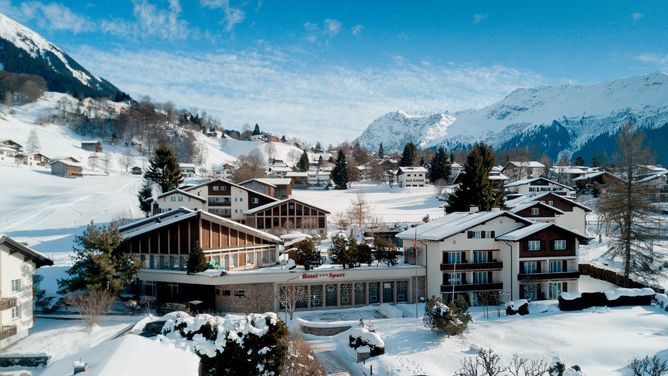
Hotel Sport Klosters
 Davos8.8
Davos/Klosters, Zwitserland
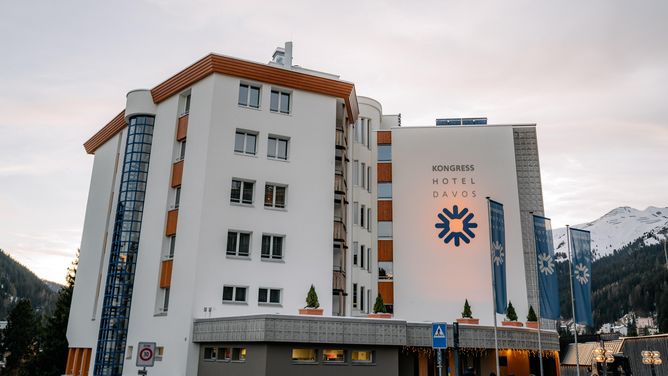
Kongress Hotel Davos
 Davos9.1
Davos/Klosters, Zwitserland
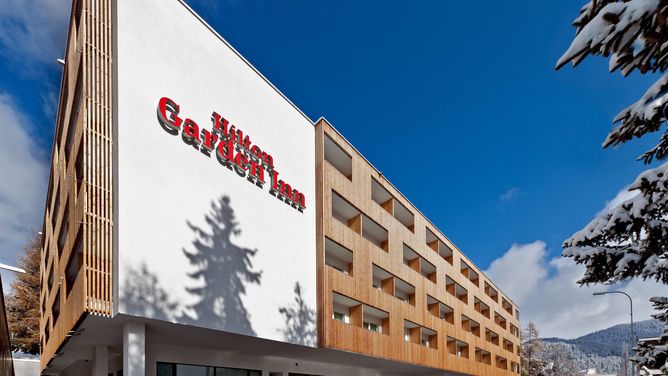
Hilton Garden Inn Davos
 Davos8.2
Davos/Klosters, Zwitserland
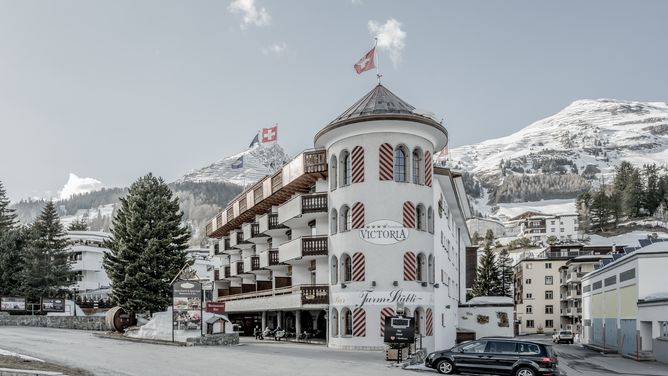
Turmhotel Victoria
 Davos7.8
Davos/Klosters, Zwitserland
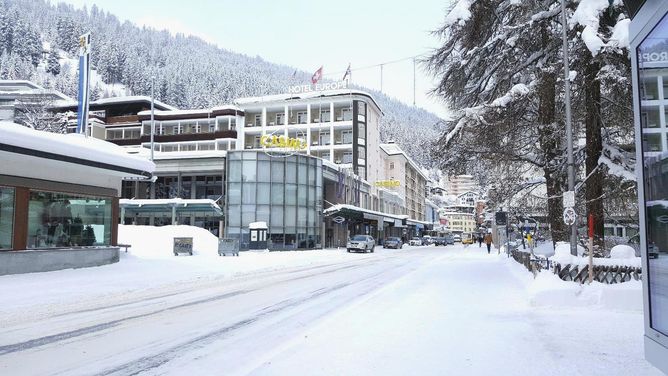
Hotel Europe Davos
 Klosters
Davos/Klosters, Zwitserland
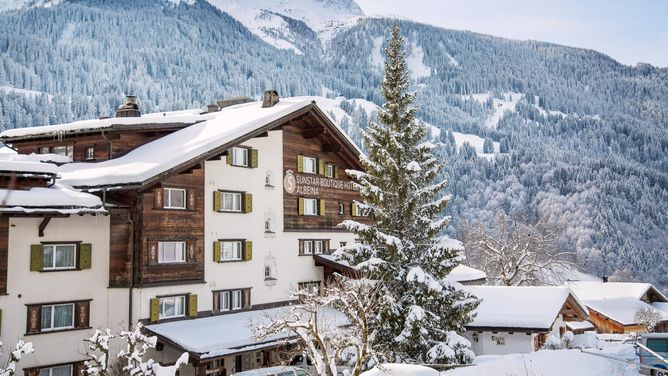
Sunstar Hotel Klosters
Snow report & 7-day forecast
Loading forecast...
Who Is Davos/Klosters For?
This resort genuinely caters to everyone. Beginners will find gentle, well-groomed runs and magic carpets to build confidence, while intermediate skiers can spend days exploring the vast network of blue and red runs across Parsenn, Madrisa and Rinerhorn. Families benefit from dedicated children's areas and the easy movement between sectors using gondolas and cable cars.
Experts are equally well served. The Parsenn sector is famous for its long, demanding descents, and off-piste opportunities around Jakobshorn and Pischa attract freeriders looking for genuine mountain terrain. There is enough variety here to keep even the most experienced skier busy for a full week.
Slopes and Lifts at a Glance
The 315 km of marked pistes are spread across five main ski areas, giving you a genuine sense of exploration rather than lapping the same runs. The lift fleet of 57 installations includes 8 cable cars and 4 gondolas for fast, comfortable access to the upper mountain, 15 chairlifts for mid-mountain movement, and 20 T-bars plus a handful of drag lifts and magic carpets for shorter connections and beginner zones.
The mix of lift types means there is almost always an alternative route if one lift has a queue. Cable cars handle the high-volume morning rush efficiently, and the chairlifts are well distributed so that no single bottleneck tends to ruin a day on the slopes.
Snow Reliability: What the History Shows
Davos sits at around 1,560 m in the valley and the ski terrain reaches above 2,800 m, which supports a long and generally reliable season. Looking at recent winters, peak snowpack has varied but remained substantial: 172 cm in 2020/21, 158 cm in 2021/22, 145 cm in 2022/23, a very impressive 222 cm in 2023/24, and 111 cm in 2024/25. Even in the lowest recent season the mountain held meaningful snow cover at altitude.
The resort also benefits from snowmaking infrastructure across key runs, which helps maintain piste quality during leaner natural-snow periods. The altitude of the terrain is the biggest factor working in your favour: upper-mountain snow tends to stay in good condition long after valley conditions soften.
Apres-Ski and Atmosphere
Davos is a proper town rather than a purpose-built resort village, which means you have a wide range of bars, restaurants and cultural options beyond the ski day. The atmosphere shifts between sporty and lively in the early evening and more relaxed later at night, with options to suit families having an early dinner and groups looking for a longer evening out.
Klosters, just a short train ride away, offers a quieter, more traditional Alpine village feel. The combination of the two bases means you can choose your atmosphere depending on your mood, making the area feel fresh even over a longer stay.
Getting There and Practical Tips
Davos is well connected by public transport. The nearest major airports are Zurich (about 2.5 hours by train or car) and occasionally used is Innsbruck. The Rhaetian Railway runs directly into Davos and also connects Klosters, so a car is genuinely optional and many visitors arrive by rail. The Swiss Travel Pass covers this rail network and can simplify logistics considerably.
Buy your lift passes online in advance to save time at the ticket office. Ski rental is available in both Davos and Klosters with a good range of shops. If you are travelling with children, check that your accommodation is near a ski bus stop, as some sectors require a short transfer from the main town.
Best Time to Go
The core season runs from late November through to mid-April, with January and February typically offering the most reliable cold temperatures and fresh snowfall. These months also see the most vibrant atmosphere and the fullest range of open lifts and pistes.
March is worth considering for those who prefer longer daylight hours and slightly warmer midday conditions while still finding solid snow at altitude. Early December and late April can offer good value on accommodation prices, though some lifts and runs may not yet be open or may be closing down for the season. Checking the live piste status before booking in shoulder periods is always a sensible step.
Villages in this ski area
Snow depth by winter
Snow reliability: Good (76/100), based on altitude and historical snow depth.
Maximum snow depth (cm) per winter season. Source: Open-Meteo (ERA5).
Davos/Klosters on the map
Lifts and pistes based on OpenStreetMap.
Webcams in Davos/Klosters
📷 Davos › South-west: Alter Höhwaldsteg - Lake Davos
📷 El Afweyn District: Davos I - Langlaufzentrum
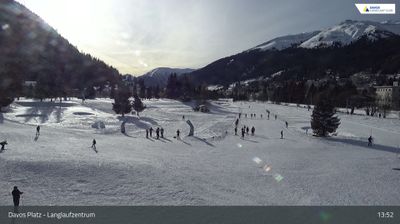
📷 Davos: Langlaufzentrum Davos
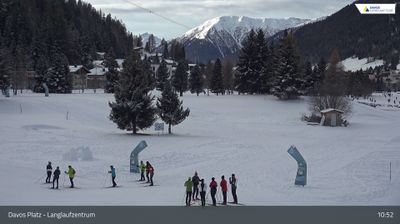
📷 Davos: Davos Dorf: Davos I - Langlaufzentrum
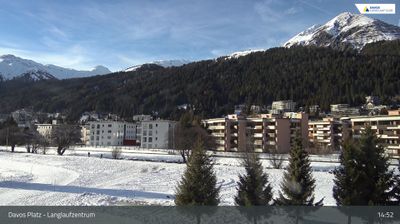
📷 El Afweyn District: Davos I - Langlaufzentrum
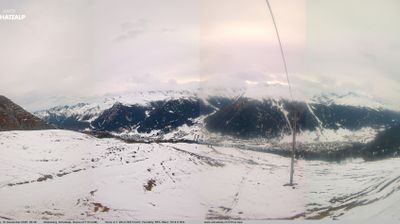
📷 Davos: Strelaberg
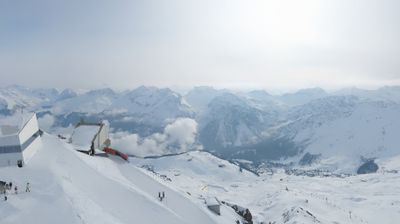
📷 Tschiertschen-Praden: Aroser Weisshorn
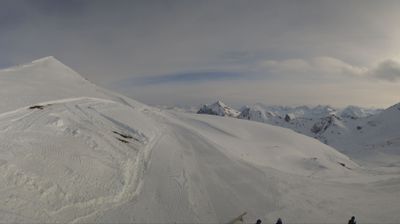
📷 Vaz: Urdenfuerggli
FAQ about Davos/Klosters
How many km of pistes does Davos/Klosters have?
Davos/Klosters has approximately 315 km of marked downhill pistes (source: OpenStreetMap).
How many lifts are there in Davos/Klosters?
Davos/Klosters is served by around 57 ski lifts.
What does a ski holiday to Davos/Klosters cost?
Accommodations in Davos/Klosters start from around €639 per person; Nivosola compares 12 options, refreshed daily.
Is there enough snow in Davos/Klosters?
Yes. Recent winters reached a maximum snow depth of around 222 cm. December to March is the most reliable period.
How much skiing is there at Davos/Klosters and is it enough for a week?
With around 315 km of pistes across five distinct ski areas, a week gives you enough terrain to explore without repeating yourself too often. Intermediate and expert skiers in particular will find that each sector has its own character, making it easy to fill six or seven ski days with fresh experiences.
Is Davos/Klosters a good choice for families with young children?
Yes, it is well set up for families. There are dedicated beginner areas with magic carpets, ski schools operating across both Davos and Klosters, and the town infrastructure of Davos means you have plenty of non-ski options for rest days or bad-weather days. The rail connection between the two villages is easy to use with children.
How reliable is the snow and what has the snowpack been like in recent years?
Recent seasons have shown a good range of peak snow depths: from 111 cm in 2024/25 up to 222 cm in 2023/24, with the other three winters falling between 145 cm and 172 cm at their peak. The high altitude of the upper terrain above 2,800 m helps preserve snow quality, and snowmaking on key runs provides additional security during drier periods.