Skigebied Livigno
Livigno is an Italian high-altitude ski resort tucked in the Alps near the Swiss border, offering around 137 km of pistes served by 37 lifts. Its duty-free status, reliable snowfall and wide variety of terrain make it a favourite for families, beginners and seasoned skiers alike. With 10 accommodations listed on Nivosola from EUR 777 per person, it delivers strong value for a full Alpine ski holiday.
Accommodations in Livigno
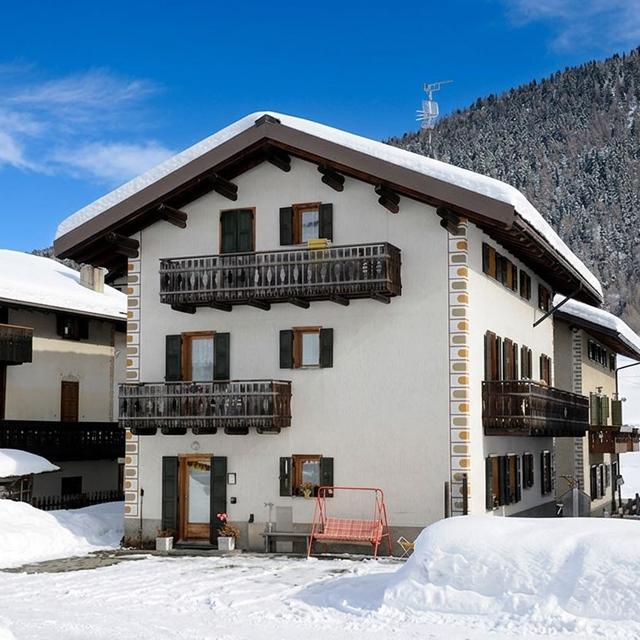 Livigno
Livigno, Italië
Bait dal Cucu
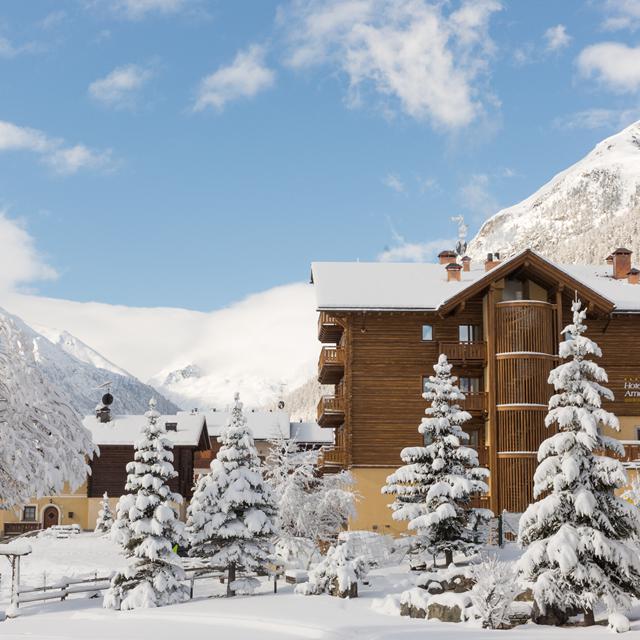 Livigno7.8
Livigno, Italië
Hotel Amerikan
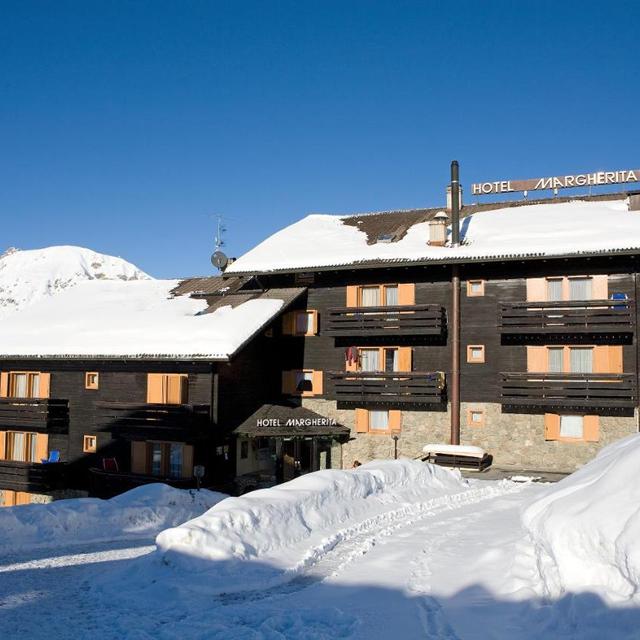 Livigno8.3
Livigno, Italië
Hotel Margherita
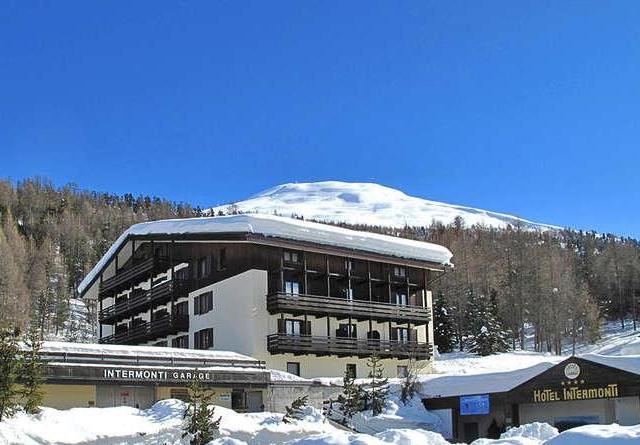 Livigno6.6
Livigno, Italië
Hotel Intermonti
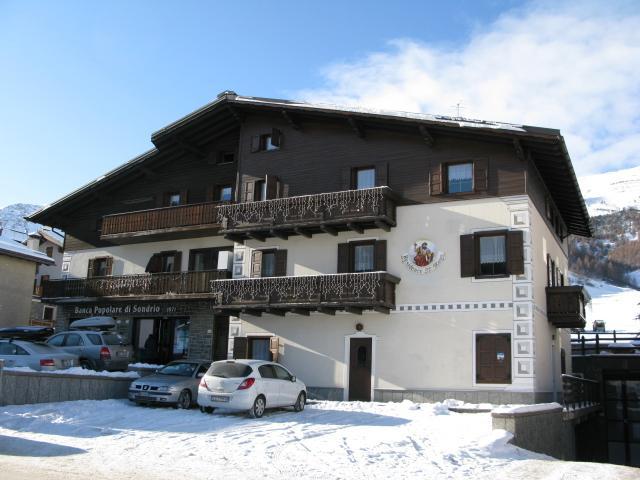 Livigno
Livigno, Italië
Résidence San Marco
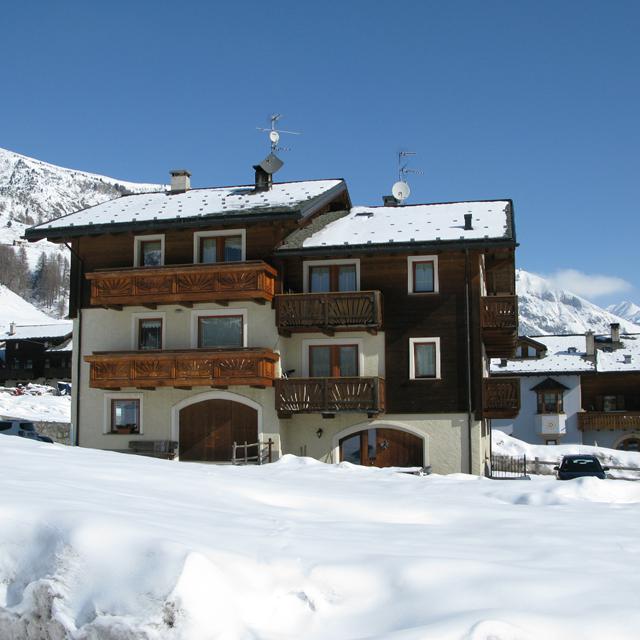 Livigno
Livigno, Italië
Casa Natale
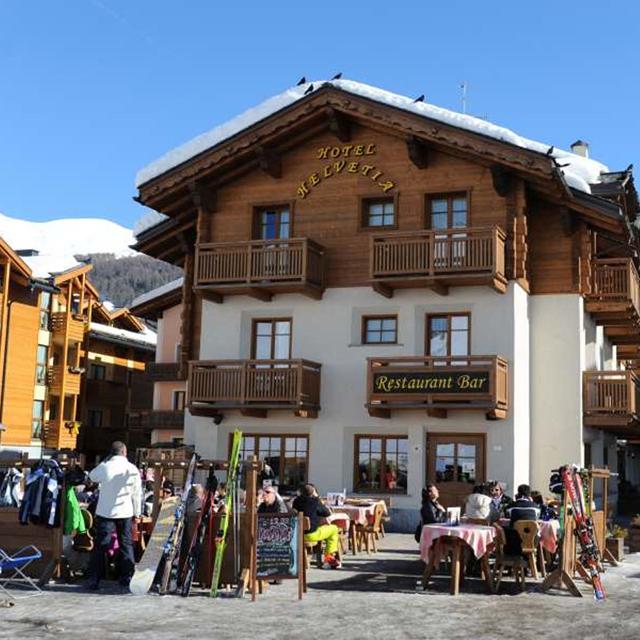 Livigno
Livigno, Italië
Hotel Helvetia
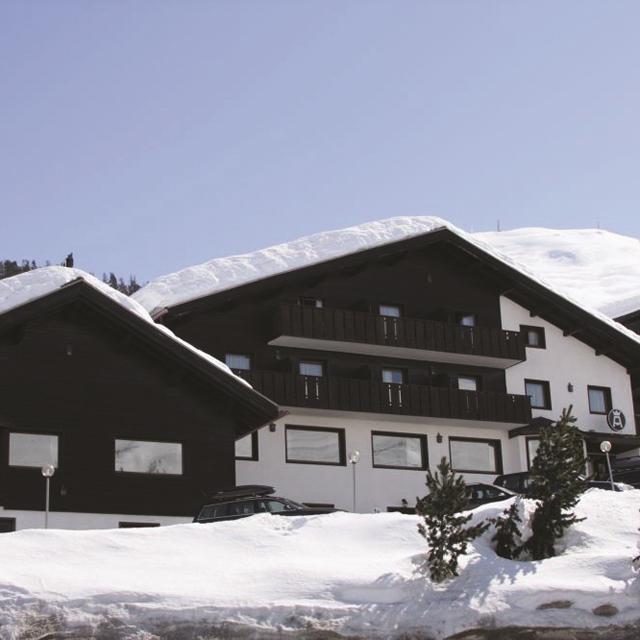 Livigno7.8
Livigno, Italië
Alexander Charme Hotel
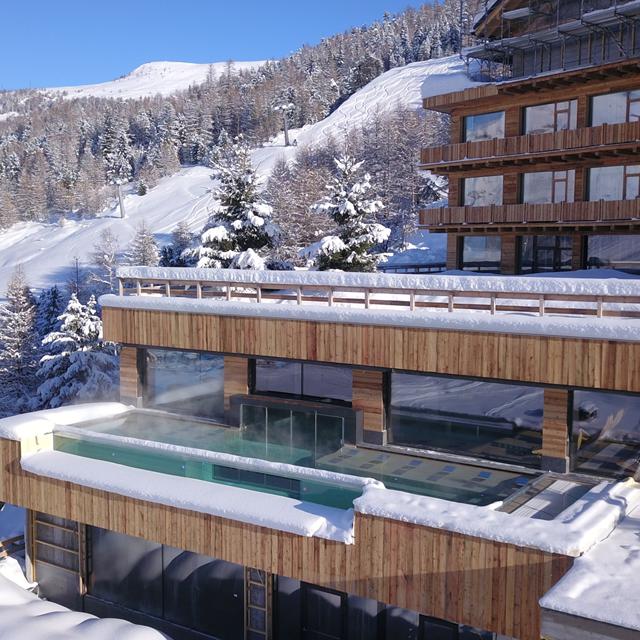 Livigno
Livigno, Italië
Alpen Resort Bivio
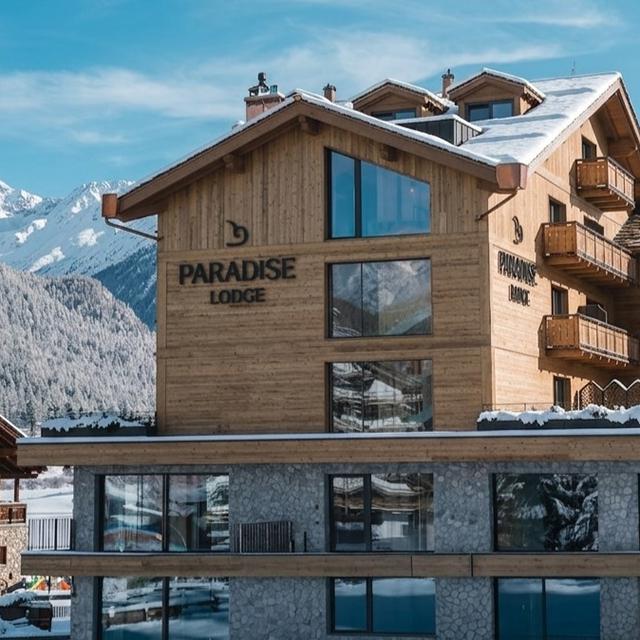 Livigno
Livigno, Italië
Paradise Lodge
Snow report & 7-day forecast
Loading forecast...
Who Is Livigno For?
Livigno suits almost every type of winter-sports traveller. Beginners benefit from gentle, wide runs and 6 magic carpets that make first-time skiing approachable and stress-free. Families appreciate the relaxed village atmosphere, the duty-free shopping and the mix of easy blue runs alongside more challenging reds and blacks for stronger skiers in the group.
Intermediate skiers will find the most to love here, with long cruising red runs that let you build confidence and cover real distance across the mountain. Experts are not left out either, with steeper black runs and off-piste opportunities in the surrounding high-alpine terrain when snow conditions allow.
Slopes and Lifts
The resort offers around 137 km of marked pistes spread across two main mountain flanks, Mottolino and Carosello 3000, giving a good sense of variety without the resort feeling overwhelming. The lift network of 37 installations includes 14 chairlifts and 6 gondolas for comfortable uphill travel, plus 11 platter lifts and 6 magic carpets to fill in the connections and beginner areas.
Queues are generally manageable outside peak Italian holiday weeks, and the modern gondolas mean you can warm up quickly on cold mornings. The layout means most intermediate and advanced runs flow naturally back to the main valley, making it easy to navigate the mountain without a map in your pocket all day.
Snow Reliability
Livigno sits at an altitude between roughly 1800 m and 2900 m, which gives it a natural advantage for snow holding. Historical peak snow depths across recent winters back this up: 213 cm in 2020/21, 132 cm in 2021/22, 118 cm in 2022/23, a remarkable 238 cm in 2023/24 and 115 cm in 2024/25.
While depth varies year to year as it does at every Alpine resort, Livigno consistently reaches usable depths that keep the pistes in good condition. The resort also uses snowmaking infrastructure to bridge any early-season or low-snowfall gaps, giving you added confidence when booking in advance.
Apres-Ski and Atmosphere
Livigno has a lively but unpretentious apres-ski scene centred on the long main street, Via Saroch. Bars fill up from mid-afternoon with skiers coming off the mountain, and the duty-free status means drinks and spirits are noticeably cheaper than at comparable Alpine resorts in France or Switzerland.
Beyond the bars, the village has a good range of restaurants serving both Italian and Valtellina regional dishes, plus spas, ice karting and snowmobile excursions for non-skiing days. The overall atmosphere is welcoming and social without being rowdy, making it comfortable for both families and groups of adults.
Getting There and Practical Tips
Livigno is in northern Italy, close to the Swiss border at the Forcola di Livigno pass. The nearest airports are Bergamo Orio al Serio, Milan Malpensa and Innsbruck, all roughly 3 to 4 hours by road depending on conditions and route. Note that the access roads can be affected by snow and the Swiss Munt la Schera tunnel, which provides one main winter route, charges a small toll.
Because of its duty-free status, budget extra luggage allowance for the return trip if you plan to stock up on wine, spirits or ski equipment at the local shops. Book accommodation early for the Christmas and February school-holiday periods as the resort fills up quickly and prices rise sharply.
Best Time to Go
December to April covers the main ski season, but the sweet spot for most travellers is January and early March. January offers quieter slopes after the New Year rush and typically good snow cover at altitude, while early March combines reliable snow with longer daylight hours and a more relaxed pace on the mountain.
February is popular and lively but coincides with Italian and northern European school holidays, so expect busier lifts and higher prices. Late March and April can still deliver excellent spring skiing with warm sunshine, though you should check snow conditions carefully before booking that late in the season.
Snow depth by winter
Snow reliability: Excellent (85/100), based on altitude and historical snow depth.
Maximum snow depth (cm) per winter season. Source: Open-Meteo (ERA5).
Livigno on the map
Lifts and pistes based on OpenStreetMap.
Webcams in Livigno
📷 Livigno: Webcam - panorama
📷 Livigno: webcam LIVE Hotel Primula
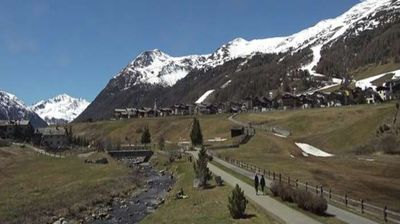
📷 Livigno › South: Livigno Italy
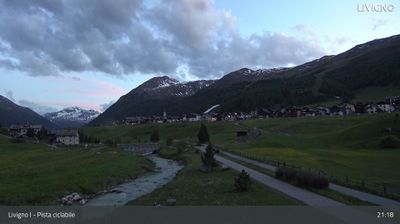
📷 Livigno: I - Pista ciclabile
📷 Livigno › North: Livigno Snow Park - Sitas Livigno - Associazione Skipass Livigno
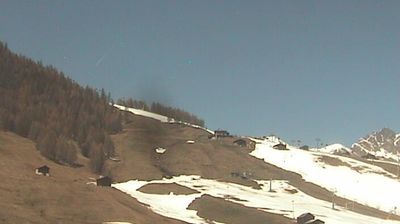
📷 Livigno: piste 2
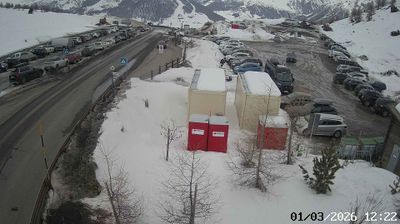
📷 Livigno: Passo EIRA, Trepalle
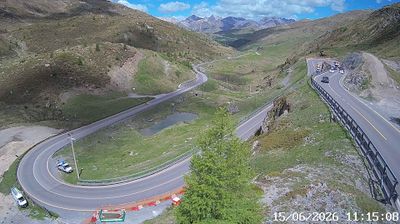
📷 Livigno › North-west: Passo del foscagno
FAQ about Livigno
How many km of pistes does Livigno have?
Livigno has approximately 137 km of marked downhill pistes (source: OpenStreetMap).
How many lifts are there in Livigno?
Livigno is served by around 37 ski lifts.
What does a ski holiday to Livigno cost?
Accommodations in Livigno start from around €777 per person; Nivosola compares 10 options, refreshed daily.
Is there enough snow in Livigno?
Yes. Recent winters reached a maximum snow depth of around 238 cm. December to March is the most reliable period.
How much ski terrain does Livigno have?
Livigno has around 137 km of marked pistes spread across two main mountain areas, Mottolino and Carosello 3000, covering beginner, intermediate and advanced terrain.
Is Livigno good for beginners?
Yes, Livigno is well set up for beginners. There are 6 magic carpets and several dedicated beginner zones with gentle gradients, and the wide intermediate runs make progressing from beginner to independent skier straightforward within a week.
How reliable is the snow in Livigno?
Livigno has a strong snow record thanks to its high altitude. Peak snow depths in recent seasons ranged from 115 cm to 238 cm, and the resort supplements natural snowfall with snowmaking to keep pistes skiable throughout the season.