Skigebied Tiroler Zugspitz Arena
The Tiroler Zugspitz Arena in Austria is a well-rounded ski destination offering around 53 km of pistes served by 13 lifts, making it a manageable yet rewarding choice for families, beginners and intermediate skiers alike. Snow depths over the past five winters have ranged from 80 cm to 142 cm at peak, giving you a solid base season after season. With 8 accommodations available from EUR 573 per person on Nivosola, planning your stay is straightforward.
Accommodations in Tiroler Zugspitz Arena
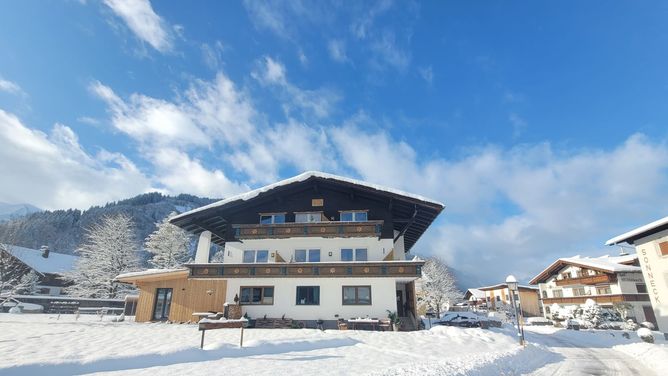 Berwang9.8
Tiroler Zugspitz Arena, Oostenrijk
Haus Almrausch
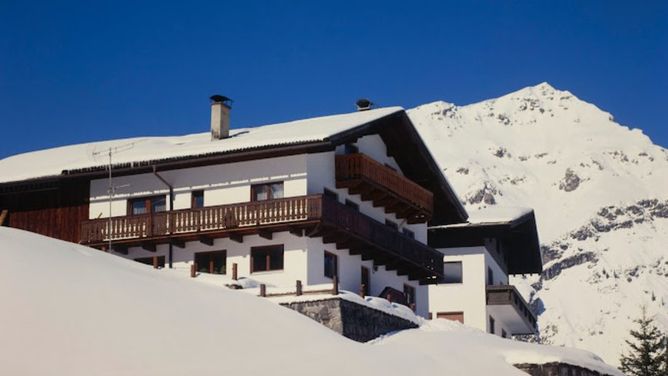 Berwang
Tiroler Zugspitz Arena, Oostenrijk
Haus Wötzinger
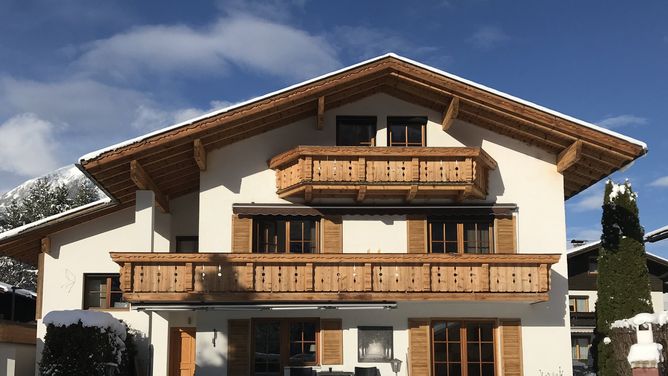 Ehrwald
Tiroler Zugspitz Arena, Oostenrijk
Schneehaus Chalet & Lodge
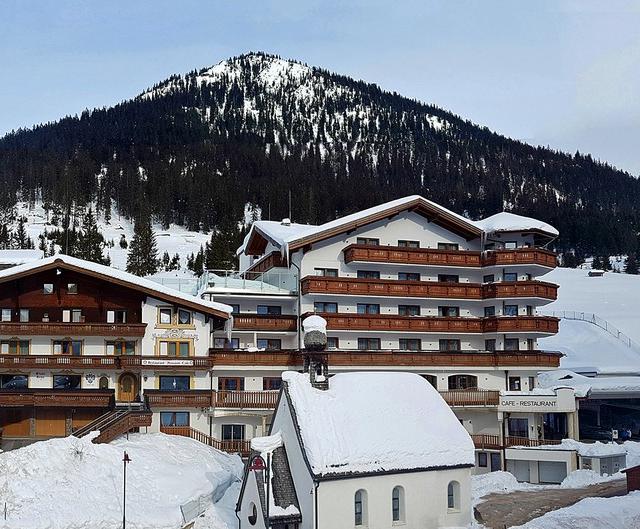 Berwang8.3
Tiroler Zugspitz Arena, Oostenrijk
Hotel Thaneller
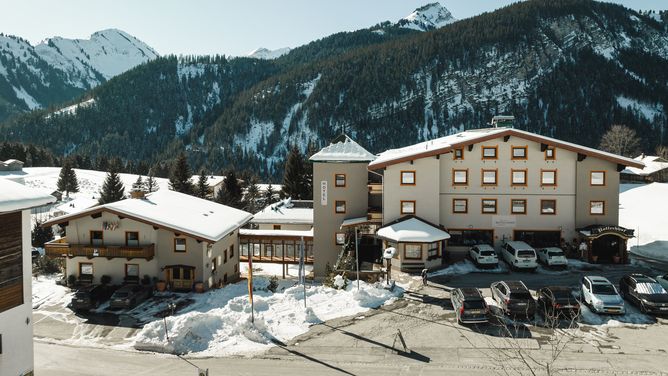 Berwang9.2
Tiroler Zugspitz Arena, Oostenrijk
Hotel Rotlechhof
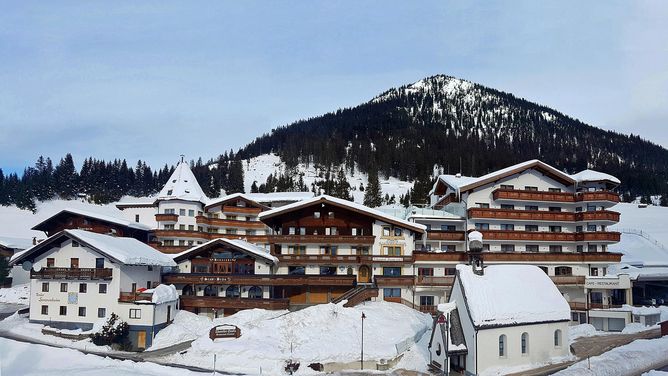 Berwang8.2
Tiroler Zugspitz Arena, Oostenrijk
Hotel Thaneller
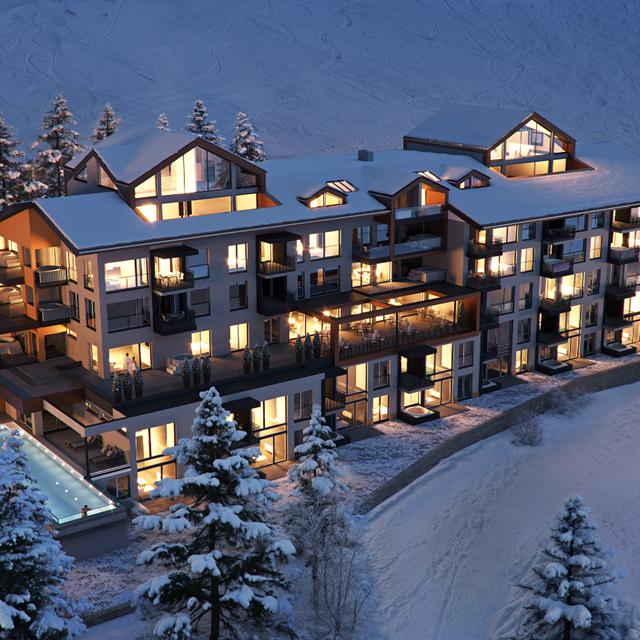 Berwang
Tiroler Zugspitz Arena, Oostenrijk
Bergresort Berwangerhof
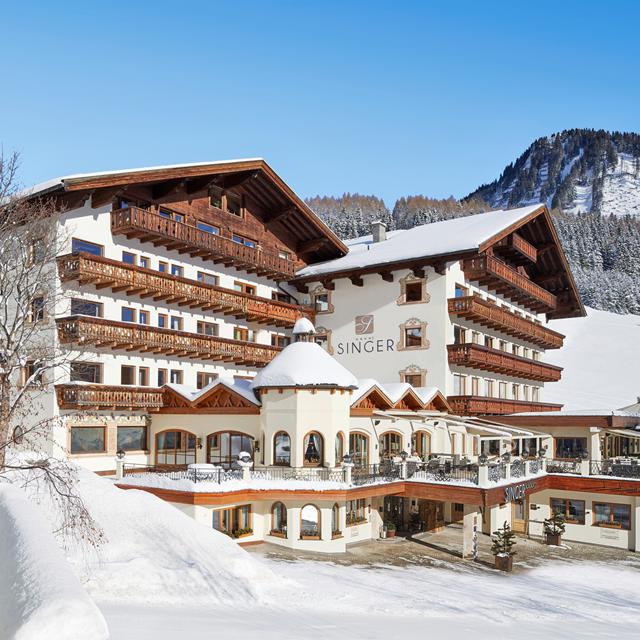 Berwang9.6
Tiroler Zugspitz Arena, Oostenrijk
Hotel Singer Relais & Chateaux
Snow report & 7-day forecast
Loading forecast...
Who Is This Resort For?
The Tiroler Zugspitz Arena is particularly well suited to beginner and intermediate skiers who want a friendly, uncrowded environment to build confidence on the snow. Families will appreciate the manageable scale of the area, where children and less experienced adults are never too far from a lift or a warm mountain restaurant. Advanced skiers can still find steeper sections to challenge themselves, but those seeking extensive black-run networks may want to combine a visit here with nearby resorts.
Slopes and Lifts at a Glance
With roughly 53 km of marked pistes and 13 lifts in total, the ski area is compact enough to explore fully in a week without feeling repetitive. The lift fleet includes 2 gondolas and 4 chairlifts for comfortable uphill travel, supported by 5 T-bars, 1 platter lift and 1 mixed lift that reach higher terrain. Queues are rarely a serious issue given the scale of the area, and moving between sectors is generally efficient.
Snow Reliability: What the Numbers Say
Historical peak snow depths show a consistent pattern of solid winter coverage. Over the last five seasons the maximum recorded depth reached 142 cm in 2020/21, 113 cm in 2021/22, 94 cm in 2022/23, 122 cm in 2023/24 and 80 cm in 2024/25. While no two winters are identical, the Zugspitz area benefits from its altitude and proximity to the main Alpine ridge, which helps maintain reliable conditions across the core season from December through March.
Apres-Ski and Atmosphere
The Tiroler Zugspitz Arena has the relaxed, authentic Tyrolean character you would expect from a smaller Austrian resort. After skiing you will find cosy mountain huts and valley bars where locals and visitors mix easily over a Gluhwein or a cold Austrian beer. The vibe is more village gathering than party circuit, which suits families and those who prefer a quieter evening over a loud nightclub scene.
Getting There and Practical Tips
The resort sits in the Austrian Tyrol, within comfortable driving distance of Munich airport, making it one of the more accessible areas for travellers flying into southern Germany. A car gives you the most flexibility for reaching the valley and exploring surrounding villages, though bus and train connections into the Tyrolean network are also available. Book accommodation early for the peak Christmas and February school-holiday periods, as the 8 listed properties on Nivosola starting from EUR 573 per person can fill quickly during those windows.
Best Time to Visit
Mid-January through early March is generally the sweet spot, combining reliable snow cover, long daylight hours and fewer crowds than the holiday peaks. Based on historical data, February tends to deliver the strongest snow base, which aligns well with prime piste conditions across the 53 km network. If you are flexible, a late-January trip often offers the best combination of good snow, quieter slopes and competitive accommodation prices.
Snow depth by winter
Snow reliability: Fair (51/100), based on altitude and historical snow depth.
Maximum snow depth (cm) per winter season. Source: Open-Meteo (ERA5).
Tiroler Zugspitz Arena on the map
Lifts and pistes based on OpenStreetMap.
Webcams in Tiroler Zugspitz Arena
📷 Gemeinde Berwang › North-west: Sonnalmbahn
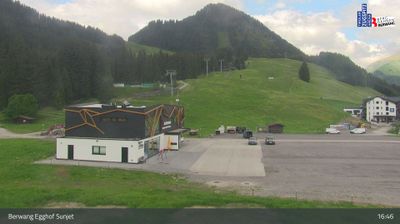
📷 Gemeinde Berwang: Berwang - Egghof Sunjet, Egghof Sunjet
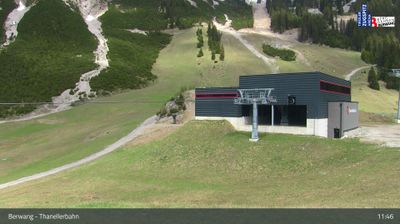
📷 Berwang: Thanellerbahn, Thanellerbahn
📷 Gemeinde Berwang: Berwang - Obere Karbahn, Aplkopf
📷 Gemeinde Berwang: Berwang - Obere Karbahn, Roter Stein
📷 Gemeinde Berwang: Berwang - Obere Karbahn, Schneiteich
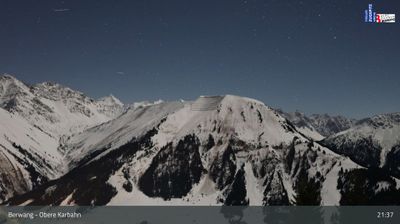
📷 Gemeinde Berwang: Berwang - Obere Karbahn, Hönig
📷 Gemeinde Hofen: Hahnenkamm
FAQ about Tiroler Zugspitz Arena
How many km of pistes does Tiroler Zugspitz Arena have?
Tiroler Zugspitz Arena has approximately 53 km of marked downhill pistes (source: OpenStreetMap).
How many lifts are there in Tiroler Zugspitz Arena?
Tiroler Zugspitz Arena is served by around 13 ski lifts.
What does a ski holiday to Tiroler Zugspitz Arena cost?
Accommodations in Tiroler Zugspitz Arena start from around €573 per person; Nivosola compares 8 options, refreshed daily.
Is there enough snow in Tiroler Zugspitz Arena?
Yes. Recent winters reached a maximum snow depth of around 142 cm. December to March is the most reliable period.
How many kilometres of pistes does the Tiroler Zugspitz Arena have?
The ski area has approximately 53 km of marked pistes, covering a good range of difficulty levels suitable for beginners through to more advanced skiers.
How reliable is the snow in the Tiroler Zugspitz Arena?
Snow reliability is generally good. Peak snow depths over the past five seasons ranged from 80 cm to 142 cm, with the strongest bases typically recorded in January and February. The resort's Alpine position helps maintain consistent winter conditions.
What accommodation options are available and what do they cost?
There are 8 accommodations listed on Nivosola for the Tiroler Zugspitz Arena, with prices starting from EUR 573 per person. Options range across different styles and comfort levels, so it is worth filtering by your preferred dates to see live availability.